
Introduction
From January to December 2025, the Outreach Foundation’s legal hubs and offices (Pretoria, Musina, Johannesburg, and Mpumalanga) provided legal aid, advocacy, and strategic stakeholder engagement to migrants, refugees, and vulnerable South African citizens. Against a backdrop of heightened xenophobic sentiment and persistent administrative bottlenecks at the Department of Home Affairs (DHA), the organisation delivered impact assistance across the Refugees Act, Immigration Act, and South African Citizenship Act.
During 2025, the Migrant and Refugee Legal Support initiative focused on restoring procedural fairness, legal status, and protection to vulnerable asylum seekers and migrants in South Africa. Operating within a complex administrative system often marked by institutional delays, the project successfully delivered tailored legal advice, documentation verification, and formal appeal representation. The primary strategic breakthrough during this period was mitigating avoidable rejections through intensive interview preparation and successfully appealing unlawful or procedurally unfair administrative decisions at the Department of Home Affairs (DHA).
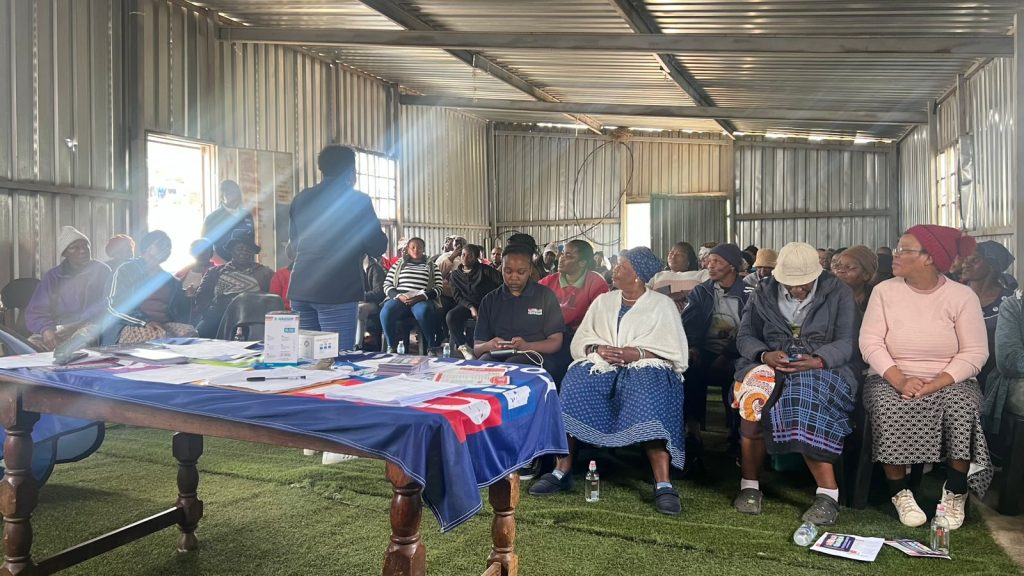
Focussed Interventions
- Managing online Asylum Applications
- End-to-end support including affidavit drafting, evidence gathering, and pre-interview coaching.
- Permanent residence & regularisation
- Documentation verification and legal eligibility assessments under the Immigration Act.
- Appeals: Legal drafting and formal reconsideration requests for rejections issued by Refugee Reception Offices (RROs).
- Rights-based education and consultations addressing deportation threats, documentation stability, and administrative rights.
Highlights & Key Findings for 2025
- Securing a working relationship with the local government Refugee Reception Centre (RRO) and NGO`s like LHR, CoRMSA and IOM in supporting procedures.
- Processing over 90 asylum visa renewals and securing numerous VFS Global waiver applications and Section 4(3) naturalisation filings for South African-born youth.
- Directly intervening to restore healthcare access for rejected foreign nationals at public facilities and resolving workplace documentation disputes.
- Musina-Beitbridge remains a high-vulnerability transit hub challenged by delays, long queues, and institutional distrust.
- Community members face systemic hurdles regarding late birth registration, school exclusions of refugee children, and a lack of formal work permit issuance.
- Across all sites but especially in Johannesburg and Pretoria, the Democratic Republic of the Congo (DRC) consistently represented the largest participant demographic, followed by Burundi, Nigeria, Uganda, Ethiopia, and Somalia.
- Successfully processed family joining and submitted family joining requests to the DTRRO.
- Successfully verified asylum visas and refugee status certificates with Home Affairs for clients facing barriers at SASSA and commercial banks.
- Completed, and submitted multiple citizenship applications for children born in South Africa to foreign parents upon reaching maturity, 18yrs.
- Provided legal support to clients in Pretoria and Johannesburg facing unlawful arrest and eviction by abusive landlords.
- Workplace rights intervention on behalf of valid asylum seekers threatened with employment termination due to employer misinterpretation of permit validity.
- Issuing of referral letters and directly escorting vulnerable pregnant foreign nationals, mainly Congolese clients in Musina, to public health facilities after initial healthcare refusal.
Future Plans
To strengthen impact and address operational bottlenecks identified in 2025, future project output should prioritize
- Providing critical legal support for vulnerable individuals navigating an unpredictable immigration landscape.
- By shifting from reactive appeal management to proactive client preparation, the initiative demonstrated that targeted legal intervention directly enhances administrative fairness, stabilises documentation status, and protects basic human rights.
- Formalise working relationships with local clinics and South African Police Service (SAPS) station commanders in border areas like Musina and Komatipoort.
- Align organisational legal outputs with government legal requirements.