Skills training Musina
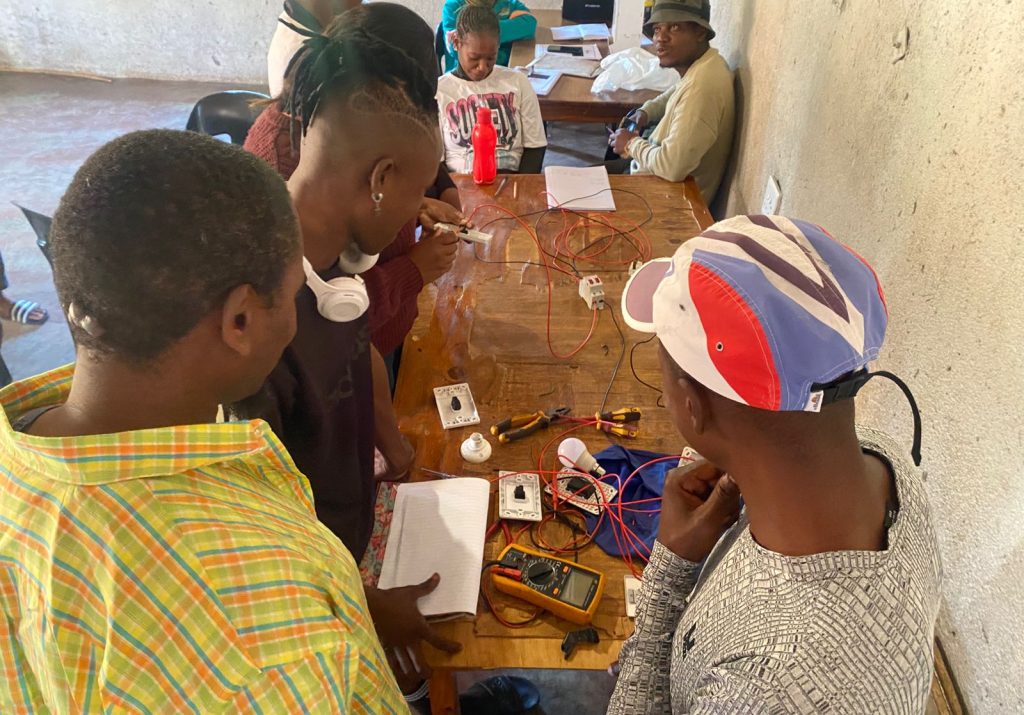
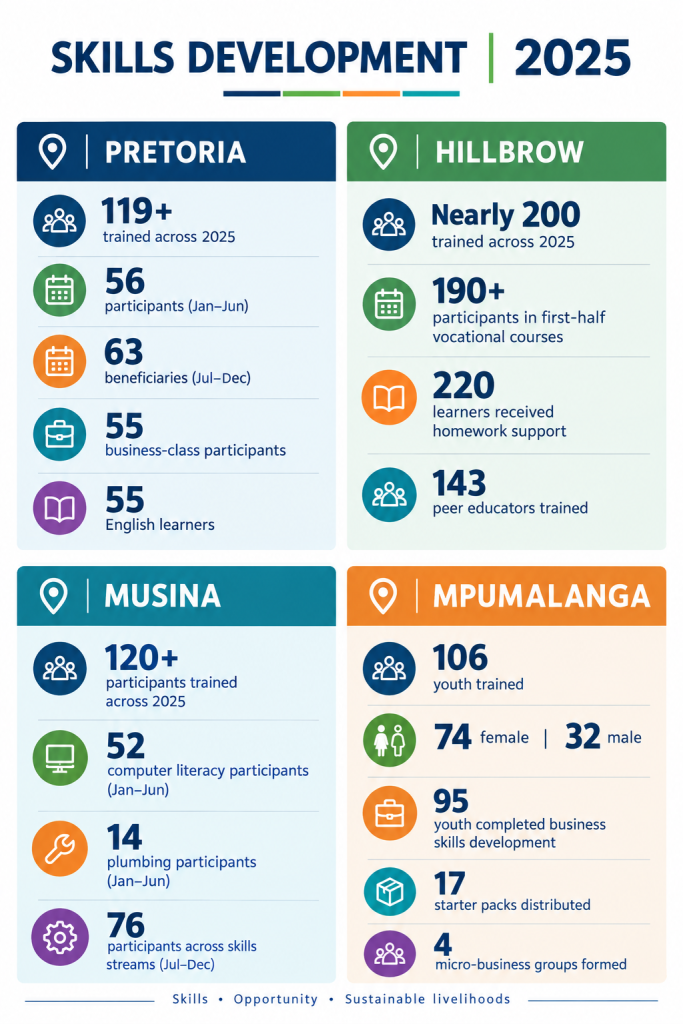
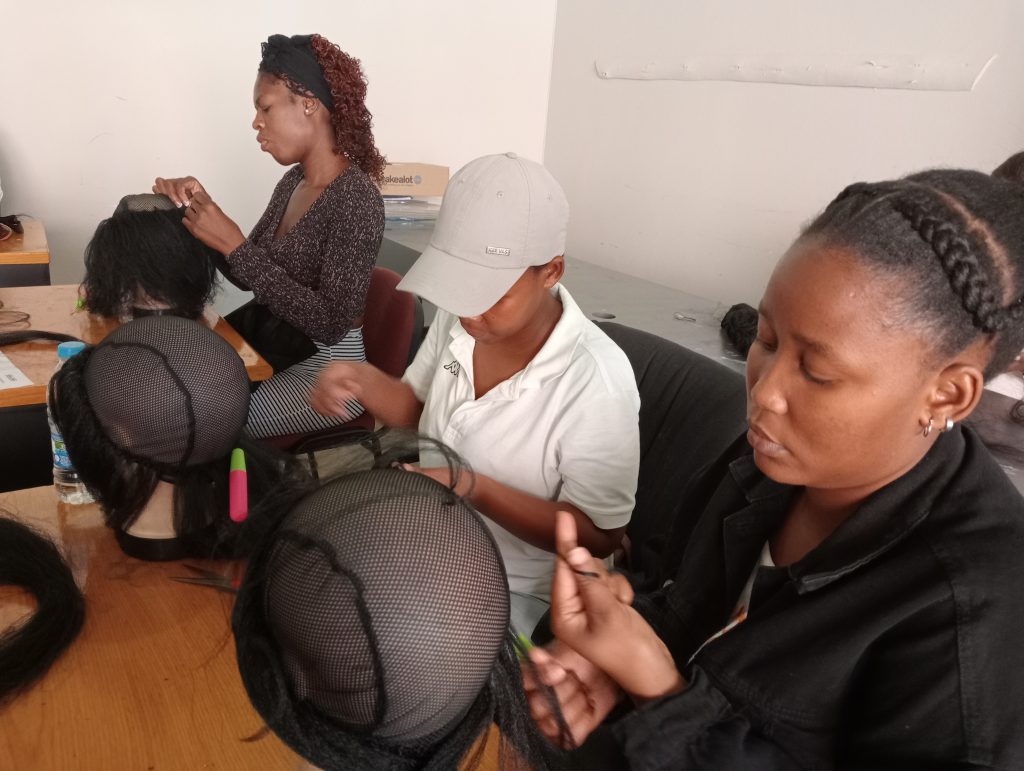
The Musina team delivered a wide range of vocational and skills development courses throughout 2025 to strengthen employability, entrepreneurship, and psychosocial resilience among vulnerable youth, migrants, and local citizens. In the first half of the year (Jan–Jun 2025), training included three computer literacy classes (52 participants), a plumbing course (14 participants), and beauty-related courses, including hair and wig installation, makeup, and nail technician training. A domestic electrical course was also offered. These courses were complemented by self-awareness sessions and support groups, which helped participants build confidence, emotional resilience, and peer-to-peer encouragement. Employment outcomes were notable: several beautician graduates secured jobs at local salons, while computer literacy graduates found work in retail stores, marking their first formal employment. In the second half of the year (Jul–Dec 2025), skills development expanded further, enrolling 76 participants across multiple streams. These included sewing (10 female participants), computer literacy (14 participants: 5 female, 9 male), beautician recruitment (18 female participants), solar geyser installation and plumbing (17 participants: 10 female, 7 male), and food preservation (20 participants: 14 female, 6 male).
By the end of 2025, the Musina project had trained well over 120 participants across both reporting periods, with strong participation by youth and women. The combination of technical training, psychosocial support, and entrepreneurship development created a holistic model that improved employability while fostering resilience, community ownership, and sustainable livelihoods.
Skills training Pretoria
The Pretoria CDWs implemented a wide range of skills development programmes throughout 2025 to equip refugees, migrants, asylum seekers, and vulnerable local citizens with practical skills, business knowledge, and psychosocial resilience.
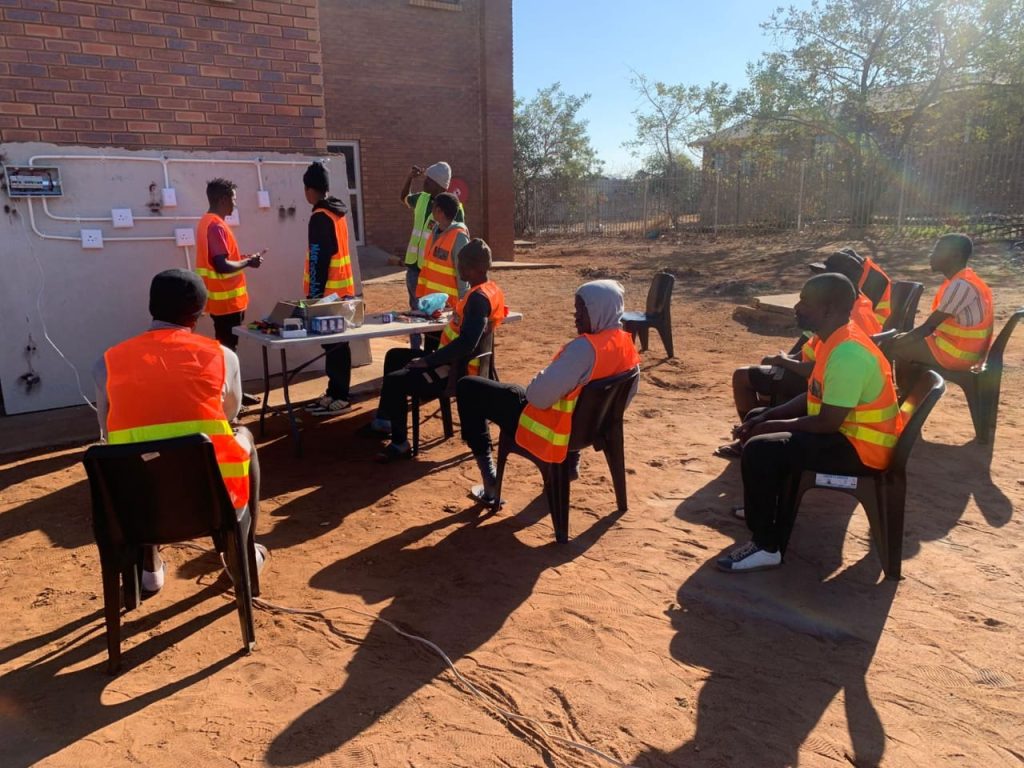
In the first half of 2025 (Jan–Jun), 56 participants successfully completed vocational training. Courses included domestic electrical work (15 participants), plumbing (13 participants), digital literacy (5 participants), sewing (8 participants), and beautician training (15 participants). These were complemented by five support groups that provided emotional and peer support, helping participants build resilience, self-reliance, and confidence in pursuing economic opportunities. Although English classes were postponed to the second half of the year, the foundation was laid for broader integration support.
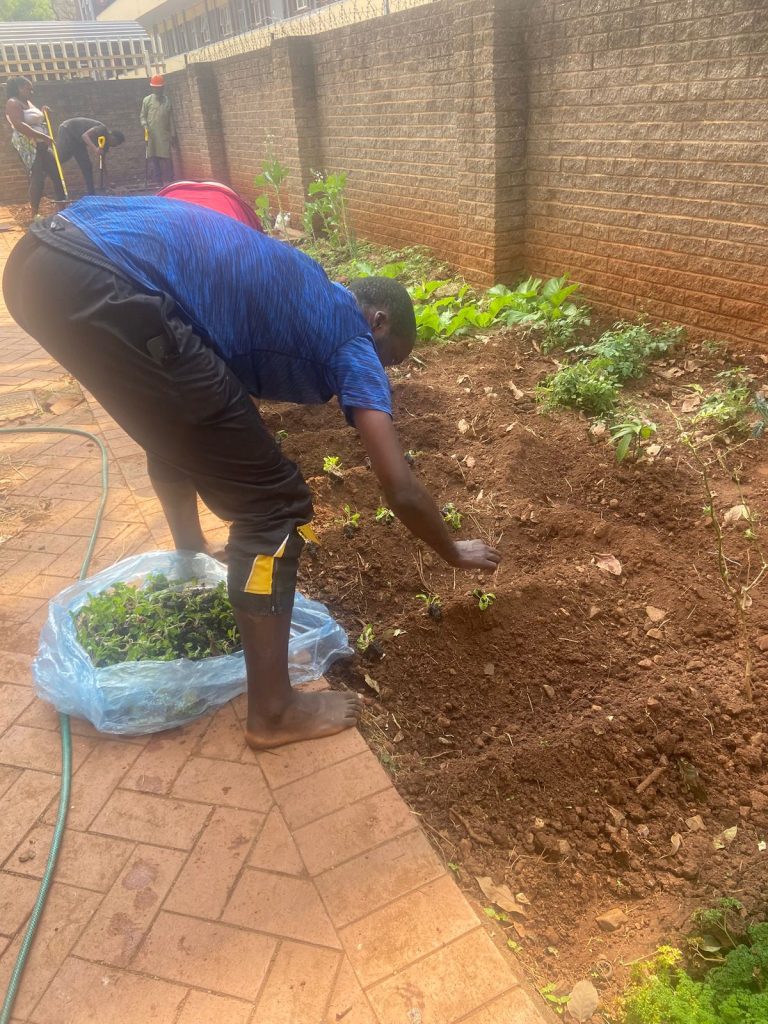
In the second half of 2025 (Jul–Dec), skills training expanded to reach 63 beneficiaries across diverse streams. These included Artisanal/Welding (14 participants: 1 female, 13 male), Beautician (22 participants: 20 female, 2 male), Sewing (6 participants: 5 female, 1 male), End-User Computing (9 participants: 7 female, 2 male), and Urban Farming (7 participants: 4 female, 3 male). Additionally, 55 participants attended business classes held after each vocational course to strengthen entrepreneurship and economic participation. English classes also commenced, enrolling 55 learners (30 female, 25 male), with pre- and post-assessments confirming improved reading, writing, and communication skills. By the end of 2025, the Pretoria project had trained over 119 participants across both reporting periods, with strong female participation and growing entrepreneurial activity. Integrating vocational training, business classes, and psychosocial support created a holistic model that improved employability while fostering resilience and community inclusion.
Skills training in Hillbrow
In the first half of 2025 (Jan–Jun), the Hillbrow office implemented a robust set of vocational training programmes to tackle youth unemployment and empower vulnerable communities. Courses included Cake Baking (11 participants), Beautician Training (31 participants), Hair and Wig Making (42 participants), Make-up and Nails (53 participants), and Computer Literacy (56 participants). Collectively, these programmes reached over 190 participants, equipping them with practical, marketable skills. The training was complemented by psychosocial support and academic assistance, with 220 learners receiving homework support and life skills development, and 143 peer educators trained to cascade knowledge among their peers. These interventions built technical competencies while strengthening confidence, resilience, and employability. In the second half of 2025 (Jul–Dec), skills development continued alongside psychosocial and community outreach services. School-based support groups were introduced to reinforce learners’ mental health and emotional resilience, while community expansion into Freedom Park and Springbok extended vocational and psychosocial services to new areas. Although specific vocational course numbers were not detailed in the July–December report, the emphasis was on integrating skills-building initiatives with psychosocial support and legal documentation assistance. Adding FirstRand interns increased delivery capacity, enabling broader reach and improved service quality.
By the end of 2025, the Hillbrow project had trained nearly 200 participants across multiple vocational streams, while embedding psychosocial support and community engagement into its delivery model. The impact was visible in improved employability, strengthened resilience, and expanded community reach. Looking forward, the project’s sustainability will depend on consolidating vocational training with structured business incubation, enhancing safety protocols for outreach in high-risk areas, and deepening partnerships with schools and local institutions to ensure long-term empowerment and inclusion of both migrants and local citizens.
Strengthening communities through integrated support and engagement in Mpumalanga
A full explanation of this integrated approach can be read in the section in the Community Development Services section: click here
In 2025, the Outreach Foundation’s Mpumalanga programme deepened its commitment to building viable livelihoods by delivering market‑relevant skills training to rural youth and migrants across Nkomazi and Bushbuckridge. The skills development pillar remained central to economic inclusion, equipping participants with practical competencies that directly respond to local market needs.
The project trained 106 youth (74 female, 32 male) across diverse vocational streams. This included 37 in Beautician skills, 15 in Appliance repair, 15 in Welding, 17 in Tiling, and 22 in Food Preservation.
Introducing Food Preservation in Bushbuckridge reflected the programme’s adaptive approach, aligning training with community realities such as food insecurity, informal trading opportunities, and household‑level income generation. This responsiveness ensured that skills development remained relevant, accessible, and economically meaningful.
Across all streams, participants demonstrated increased confidence, technical ability, and readiness to enter the local economy. Welding and tiling trainees began taking small jobs, beautician graduates expressed readiness to offer services within their communities, and appliance repair trainees reported improved problem‑solving and technical independence. These early outcomes signal a growing pipeline of youth equipped to participate in local markets and contribute to household income.
To support graduates beyond training, 95 youth completed business skills development covering planning, marketing, and financial management. The programme distributed 17 starter packs and facilitated the formation of four micro‑business groups in Beautician and Appliance Repair streams. These interventions helped bridge the gap between skills acquisition and income generation, laying the groundwork for sustainable youth‑led enterprises.
However, 2025 also highlighted a critical insight: short‑term training alone is not enough. Many young people face barriers such as limited capital, low confidence, and lack of mentorship. The programme’s experience underscores the need for longer‑term incubation models, structured follow‑up, and access to micro‑finance to ensure that skills translate into sustained livelihoods.
The Mpumalanga team continued to refine its training offerings based on market saturation and emerging opportunities. For example, the team deprioritised bricklaying due to limited demand, while Food Preservation and Beautician skills showed strong potential for income generation. This flexibility remains essential to ensure youth are trained in areas with real economic opportunities.
By the end of 2025, the skills development pillar had achieved measurable progress:
- Youth gained marketable skills aligned with local demand.
- Graduates demonstrated early entrepreneurial activity.
- Business training and starter packs supported entry into income‑generating work.
- Adaptable training design ensured relevance and sustainability.
While male participation remains lower than planned, the programme has successfully empowered young women and migrants, strengthened pathways into economic activity, and built a foundation for scalable, community‑rooted livelihoods.